

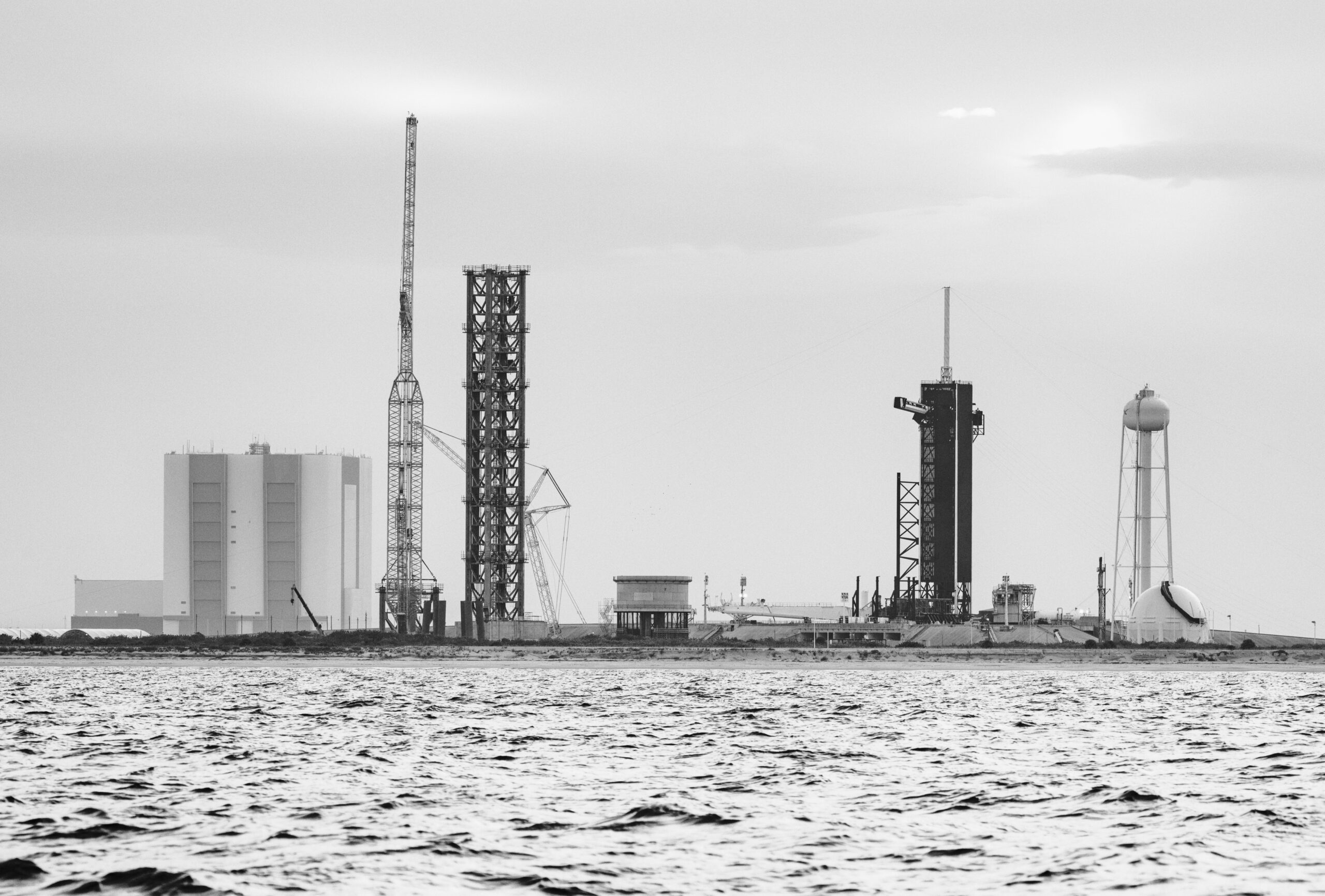
SpaceX Starship launch has successfully gone orbital, marking a historic moment in space exploration. This mission included the deployment of the first next-gen Starlink satellites.
Overview of the SpaceX Starship launch
The recent SpaceX Starship launch marks a significant achievement in the realm of space exploration. This milestone is celebrated not only for its technological advancements but also for its implications for future missions beyond Earth’s orbit.
During the mission, the Starship successfully achieved orbital flight, demonstrating its capabilities and reliability. The launch was a critical step in SpaceX’s ongoing efforts to develop a fully reusable spacecraft that can transport cargo and crew to various destinations, including the Moon and Mars.
Key highlights of the SpaceX Starship launch include:
- Successful Launch: The vehicle lifted off from the SpaceX facility, showcasing improved engine performance and stability.
- Deployment of Starlink Satellites: The mission included the deployment of the first next-generation Starlink satellites, aimed at enhancing global internet coverage.
- Future Missions: This launch sets the stage for future missions, including crewed flights and payload deliveries to lunar and Martian surfaces.
As SpaceX continues to refine the Starship design, the success of this launch may pave the way for a new era of space travel, expanding humanity’s reach into the cosmos.
Significance of the next-gen Starlinks
The upcoming SpaceX Starship launch is set to be a pivotal moment in the evolution of satellite technology, particularly with the deployment of the next-generation Starlinks. These advanced satellites are designed to enhance global internet coverage and connectivity, making them a significant milestone for both SpaceX and the broader telecommunications industry.
One of the key features of the next-gen Starlinks is their improved performance. These satellites will offer:
- Higher bandwidth: Facilitating faster internet speeds for users worldwide.
- Lower latency: Ensuring a more responsive internet experience, critical for applications like online gaming and video conferencing.
- Increased capacity: Supporting more users simultaneously, which is essential for expanding service in densely populated areas.
Moreover, the deployment of these satellites during the SpaceX Starship launch represents a crucial step towards achieving a fully operational Starlink constellation. With the combination of the Starship’s capabilities and the next-gen Starlinks, SpaceX aims to provide robust internet service even in the most remote locations.
As the world becomes increasingly reliant on digital connectivity, the significance of this launch extends beyond mere technological advancement; it could redefine how we access and interact with the digital landscape.
Challenges faced during the launch
The recent SpaceX Starship launch marked a significant milestone in space travel, but it was not without its challenges. The journey to orbit involved intricate planning and execution, highlighting both the complexity of space missions and the potential for innovation.
One of the primary challenges faced during the launch was the weather conditions. Unpredictable winds and cloud cover posed risks that could have delayed the mission. Crew members worked diligently to monitor the situation, ensuring that every aspect was aligned for a successful launch.
Another obstacle was the coordination of ground support teams. With many moving parts involved in the SpaceX Starship launch, effective communication was essential. Team members needed to synchronize their efforts to manage the countdown and address any technical issues that arose in real time.
Additionally, the deployment of the first next-gen Starlinks presented its own set of difficulties. Engineers had to ensure that the satellites were released at precise intervals to achieve optimal positioning in orbit. This level of accuracy required advanced technology and meticulous planning.
Despite these challenges, the successful launch of the SpaceX Starship demonstrated not only the company’s resilience but also its commitment to pushing the boundaries of space exploration.
Future missions planned for Starship
The recent SpaceX Starship launch marks a pivotal moment in the evolution of space travel, but it is merely the beginning of an ambitious roadmap for future missions. SpaceX has outlined several upcoming endeavors that highlight the versatile capabilities of the Starship program.
Among the planned missions, the following stand out:
- Manned Missions to Mars: SpaceX aims to send crewed missions to the Red Planet as part of its long-term vision for interplanetary colonization.
- Lunar Landings: The Starship is set to play a crucial role in NASA’s Artemis program, facilitating human exploration of the Moon.
- Satellite Deployments: Building on the success of the recent launch, future missions will focus on deploying additional next-gen Starlink satellites to enhance global internet coverage.
- Cargo Resupply to the ISS: Starship will support missions to transport cargo to the International Space Station, ensuring continued operations in low Earth orbit.
With these ambitious plans, SpaceX is not only pushing the boundaries of what is possible but also cementing the Starship’s role as a cornerstone of future space exploration. The successful launch serves as a significant milestone, paving the way for these groundbreaking missions.
Reactions from the space community
The recent SpaceX Starship launch has elicited a wave of reactions from the global space community, reflecting both excitement and cautious optimism. Experts and enthusiasts alike have taken to social media and forums to share their thoughts on the historic event.
Many industry leaders have praised the launch as a transformative moment in aerospace history. Among them, Dr. Emily Carter, a prominent aerospace engineer, stated, “This successful launch of the Starship marks a new era for space travel. It showcases the potential for rapid advancements in technology and accessibility.”
However, some voices remain skeptical about the implications of such rapid progress. Tom Sanders, a veteran astronaut, expressed concerns regarding safety protocols, saying, “While the launch is impressive, we must ensure that safety does not take a backseat to ambition. Every milestone should be met with a rigorous evaluation of risks.”
Environmental advocates have also chimed in, highlighting the need for sustainable practices as space missions become more frequent. Sarah Lopez, an environmental scientist, noted, “It’s essential that as we expand our reach into space, we also prioritize the protection of our planet.”
As the dust settles from the launch, the space community remains abuzz with speculation about the future of space exploration and the role of SpaceX’s Starship in it.
Technological advancements in rocket design
The recent SpaceX Starship launch has showcased significant technological advancements in rocket design that are reshaping the future of space exploration. Central to these advancements is the innovative use of materials and engineering techniques that enhance performance and reliability.
One of the key features of the Starship is its dual-stage design, which allows for greater efficiency in reaching orbit. This design minimizes fuel consumption while maximizing payload capacity, making it a game-changer for both commercial and governmental missions.
Additionally, the integration of reusable components has revolutionized space travel. With the ability to recover and refurbish rockets, SpaceX has dramatically reduced launch costs, enabling more frequent and affordable missions. This approach not only supports the ambitious goals of interplanetary travel but also opens up new opportunities for scientific research.
Moreover, advancements in autonomous landing technology have significantly improved the safety and precision of rocket landings. The Starship’s advanced guidance systems allow it to land with remarkable accuracy, paving the way for future missions to the Moon and Mars.
Overall, the technological innovations demonstrated during the SpaceX Starship launch prove to be a crucial milestone, pushing the boundaries of what is possible in the realm of space travel, and setting the stage for a new era of exploration.
The recent SpaceX Starship launch has set new standards for future interplanetary missions. Experts believe that the SpaceX Starship launch could pave the way for sustainable human presence on Mars.
By Charles Boyer via Openverse
Where this came from
Related reading
- Open Agent Safety Platform: The Best Proven Solution
- SpaceX Starship test proves successful with orbit achievement
- Is the Orbital Starship Test Flight the Best Space Venture?