

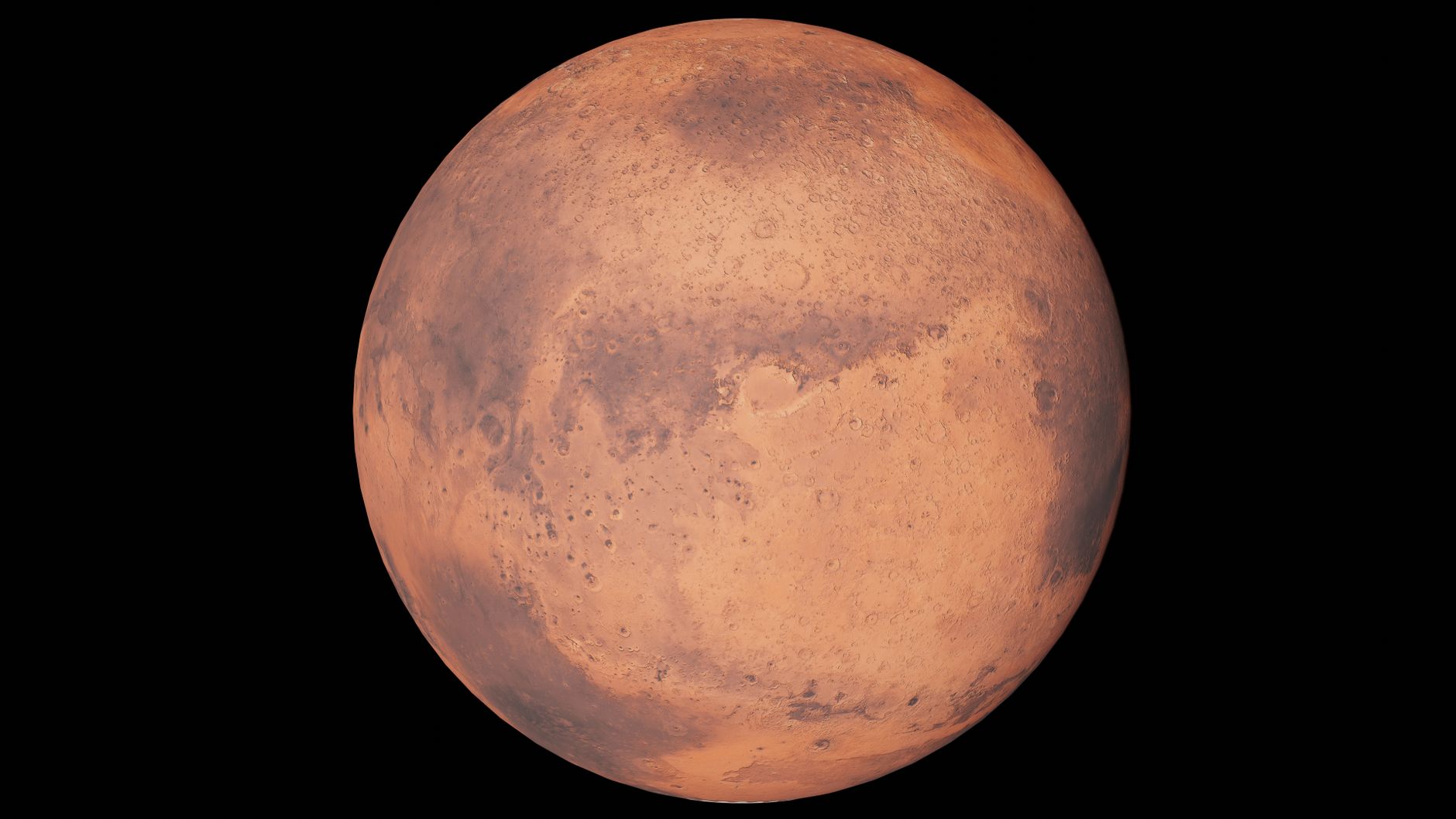
Mars satellite sample is the latest initiative by Japan to gather crucial data from Mars. This mission aims to bring back the first samples from a Martian satellite, enhancing our understanding of the planet.
What is the Mars satellite mission?
The Mars satellite mission represents a significant leap in our understanding of the Red Planet and its environment. Launched by Japan, this innovative probe aims to collect the first samples from a Martian satellite. The mission focuses on gathering crucial data that could unveil the mysteries surrounding Mars’ atmosphere and surface composition.
Designed to meticulously analyze the Martian terrain, the probe will employ advanced instruments to conduct a series of experiments. The objectives of this mission include:
- Collecting soil and rock samples from Mars’ surface.
- Studying the chemical composition of the Martian atmosphere.
- Examining potential signs of past life and geological activity.
This mission is not only pivotal for scientific research but also for future exploration endeavors. By bringing back a Mars satellite sample, researchers hope to gain insights that can inform upcoming missions and the potential for human habitation on Mars. As the probe embarks on its journey, the global space community eagerly anticipates the findings that could reshape our understanding of our planetary neighbor.
Japan’s goals for the Mars probe
Japan’s latest space endeavor, the Mars satellite sample mission, aims to achieve groundbreaking scientific objectives. The primary goal of the probe is to collect and return samples from the Martian surface, offering unprecedented insights into the planet’s geology and potential for past life.
Through this mission, Japan hopes to enhance our understanding of Mars in several key areas:
- Sample Collection: The probe is equipped with advanced tools designed to gather soil and rock samples, which will be analyzed for their composition.
- Geological Studies: By studying the samples, scientists aim to uncover the planet’s history and understand the processes that shaped its surface.
- Search for Water: One of the critical focuses will be investigating the presence of water, which is essential for life as we know it.
- Collaborative Research: The mission will involve collaboration with international space agencies and universities, fostering a global effort in planetary research.
With the Mars satellite sample mission, Japan positions itself at the forefront of planetary exploration, contributing valuable data to the scientific community and expanding our knowledge of the universe.
Significance of Mars satellite sample
The significance of the Mars satellite sample cannot be overstated, as it represents a pivotal step in our understanding of the Red Planet. By collecting samples from Mars’ atmosphere and surface, scientists hope to unlock clues about the planet’s geological history and its potential for past life.
One of the primary objectives of this mission is to analyze the composition of Martian rocks and soil. The findings could reveal important information regarding:
- The presence of water: Understanding how water has interacted with the Martian surface over millions of years offers insights into its climate history.
- Potential for life: Examining organic compounds in the collected samples will help assess whether life could have existed on Mars.
- Planetary evolution: The geological data gathered will provide information on how Mars has evolved compared to Earth.
Ultimately, the Mars satellite sample will not only enhance our scientific knowledge but also inspire future missions aimed at human exploration of the planet. As technology continues to advance, such missions may pave the way for a deeper understanding of our solar system.
Challenges faced in space exploration
Space exploration, particularly missions targeting Mars, comes with a unique set of challenges that can complicate the best-laid plans. The Mars satellite sample mission, despite its ambitious goals, has faced several hurdles since its inception.
- Technical Difficulties: The sophisticated technology required to collect and return samples from the Martian surface poses significant engineering challenges. Any malfunction in the instruments could jeopardize the entire mission.
- Communication Delays: The vast distance between Earth and Mars leads to communication delays that can span several minutes. This makes real-time decision-making nearly impossible, requiring extensive pre-planning for contingencies.
- Environmental Factors: Mars’ harsh environment, including extreme temperatures and dust storms, can impact the functionality of the probe and its ability to collect samples effectively.
- Funding and Timing Constraints: Space missions often operate within strict budgetary and timeline limitations. Any unexpected delays or costs could threaten the success of the Mars satellite sample mission.
Despite these challenges, the commitment to overcoming obstacles remains strong, underscoring the importance of this mission in advancing our understanding of Mars.
Future of Martian research
The future of Martian research is poised for groundbreaking advancements, particularly with the introduction of the Mars satellite sample mission. This initiative not only aims to gather crucial data from Mars but also sets the stage for a deeper understanding of the planet’s geology and potential for life.
As technology continues to evolve, researchers anticipate enhanced methods for analyzing Martian soil and atmosphere. The Mars satellite sample mission will provide unprecedented access to materials that could unlock secrets about the planet’s history and its capacity to support life.
In addition to advancing scientific knowledge, this mission may pave the way for future manned missions to Mars. Understanding the resources available on the planet will be essential for long-term human habitation. Scientists are optimistic about the collaboration between international space agencies, which can expedite the sharing of data and findings.
Moreover, the success of this mission could inspire a new generation of explorers and researchers. Innovative technologies developed for the Mars satellite sample could potentially be adapted for other planetary explorations, expanding our horizons beyond Mars.
Photo by Zelch Csaba on Pexels
Sources
Related reading
- Fastest-Adopted AI Model: Proven Benefits of Jev
- Voice and SMS Prepaid Plans: Airtel’s Smart New Offering
- Yamaha XSR900 New Color: Best Proven Upgrade for 2027