

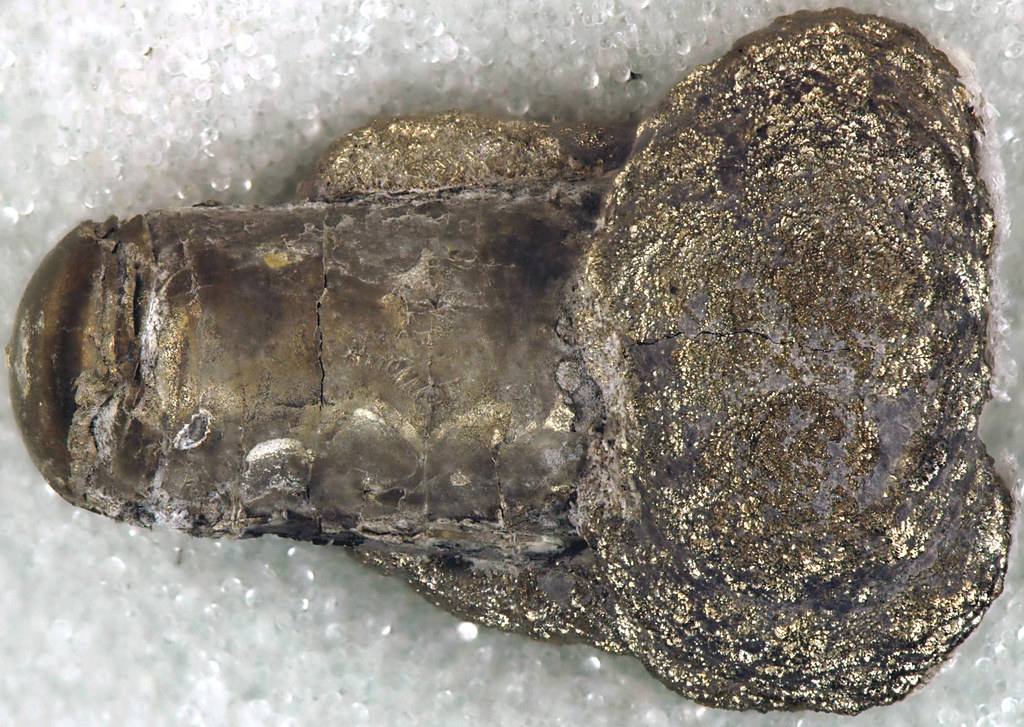
The new squid-like species discovery sheds light on marine life from 160 million years ago. This remarkable find in Wyoming highlights the diversity of prehistoric creatures.
What is the new squid-like species?
Researchers have recently announced the discovery of a new squid-like species that roamed the Earth approximately 160 million years ago. This remarkable finding, made in Wyoming, offers insights into the evolutionary history of cephalopods, a group that includes modern squids and octopuses.
The fossilized remains were unearthed in sedimentary rock, which provided an exceptional glimpse into the anatomy and lifestyle of this ancient creature. The new species exhibits several unique features that differentiate it from its modern relatives, suggesting a distinct evolutionary path.
Key characteristics of this squid-like species include:
- Elongated body structure
- Well-preserved tentacles
- Unique shell formations
These findings not only enhance our understanding of squid evolution but also highlight the rich biodiversity that existed during the Mesozoic era. Scientists are excited about the implications of this discovery for the study of marine life through geological time.
Where was the species discovered?
The recent discovery of a new squid-like species has captivated the scientific community, particularly due to its unexpected location. This remarkable find was made in the sedimentary rock formations of Wyoming, an area known for its rich fossil history.
Researchers unearthed this ancient creature while conducting excavations in a site that dates back approximately 160 million years. The fossilized remains provide valuable insights into the evolutionary history of cephalopods.
The discovery site is characterized by:
- Well-preserved sedimentary layers that have maintained the integrity of fossils.
- A diverse range of prehistoric marine life, offering a glimpse into past ecosystems.
- The presence of similar fossils that hint at a previously unexplored diversity of squid-like species.
This new squid-like species not only expands our understanding of marine biodiversity during the Jurassic period but also highlights the ongoing potential for significant paleontological discoveries in regions like Wyoming.
How does this species compare to modern squids?
The newly discovered squid-like species offers fascinating insights into the evolution of cephalopods. Unlike modern squids, this ancient creature possessed distinct anatomical features that set it apart.
Researchers highlight several key differences:
- Body Structure: The new squid-like species had a more elongated body compared to the compact forms of contemporary squids.
- Fin Shape: Its fins were larger and more triangular, suggesting different modes of propulsion in the water.
- Shell Presence: While modern squids lack an external shell, this species retained a remnant of a shell, indicating a different evolutionary path.
- Coloration: The pigmentation patterns of the new squid-like species may have been more vibrant, possibly used for communication or camouflage.
Understanding these differences not only highlights the uniqueness of the new squid-like species but also sheds light on the adaptive strategies that have evolved within cephalopods over millions of years.
What does this discovery mean for science?
The discovery of a new squid-like species has significant implications for the field of paleontology and our understanding of marine evolution. This ancient creature, believed to have existed 160 million years ago, offers crucial insights into the adaptability and diversity of cephalopods over geological time. Scientists are particularly excited about how this find may reshape existing theories regarding the ancestry of modern squids.
By examining the anatomical features and ecological roles of this new squid-like species, researchers can better understand the evolutionary pathways that led to contemporary cephalopods. Moreover, such discoveries highlight the complexity of marine ecosystems in the past, suggesting that ancient oceans were home to a rich variety of life forms that interacted in intricate ways.
Furthermore, this find emphasizes the importance of ongoing paleontological research, particularly in underexplored regions like Wyoming. As scientists continue to uncover fossils, they may reveal more about the relationships between ancient species and their modern relatives, ultimately enhancing our comprehension of biodiversity through time.
When did this species live?
The newly discovered squid-like species lived approximately 160 million years ago, during the Late Jurassic period. This era was marked by significant evolutionary changes in marine life, and the presence of this species adds to the understanding of cephalopod development. Fossils found in Wyoming provide crucial insights into the characteristics and adaptations of these ancient creatures.
The environment during this time was radically different from today, featuring vast seas that were home to diverse marine organisms. The new squid-like species thrived in these waters, showcasing unique adaptations that allowed it to survive alongside other prehistoric life forms.
Researchers believe that studying this ancient species can reveal important information about the evolutionary lineage of modern squids. By examining the morphological traits of the new squid-like species, scientists can trace the evolutionary pathways that led to the squids we are familiar with today, highlighting the rich history of cephalopods on Earth.
Why is this find significant?
The discovery of a new squid-like species is significant for several reasons. First and foremost, it sheds light on the evolutionary history of cephalopods, a group that includes modern squids and octopuses. Understanding the traits and adaptations of this ancient species can provide valuable insights into how these creatures have evolved over millions of years.
Additionally, the find enhances our knowledge of the marine ecosystems that existed during the time period when this squid-like species thrived. By studying its anatomy and habitat, researchers can infer how environmental factors influenced its development and survival.
Furthermore, such discoveries often lead to advancements in paleobiology, as they may reveal new information about the interactions between species and their environments. This particular squid-like species could also serve as a reference point for studying contemporary cephalopod biology and ecology.
In conclusion, the significance of this new squid-like species extends beyond its unique characteristics, offering a broader perspective on the history of marine life and the intricate web of evolution that connects past and present.
Future research on ancient marine life
Future research on ancient marine life is set to expand significantly following the discovery of the new squid-like species in Wyoming. Scientists are eager to delve deeper into the evolutionary implications of this find, as it provides valuable insights into the adaptations of cephalopods over millions of years.
One of the primary areas of focus will be the ecological roles these creatures played in their environments. Understanding how this new squid-like species interacted with other marine organisms can shed light on ancient food webs and biodiversity.
Additionally, researchers plan to investigate the anatomical features of this species to determine how they contributed to its survival and success in prehistoric oceans. Techniques such as CT scanning and 3D reconstruction may be employed to analyze fossils in greater detail.
Ultimately, the discovery of this new squid-like species not only adds to our knowledge of marine life but also raises questions about other potential undiscovered species that may exist in the fossil record, prompting further exploration and research.
By James St. John via Openverse
Sources
You might also like
- iPhone Duo Release: The Best Experience at Apple Store
- Airtel prepaid users: Easy way to claim YouTube Premium!
- NEET leak probe: Shocking details from coaching founder’s phone