

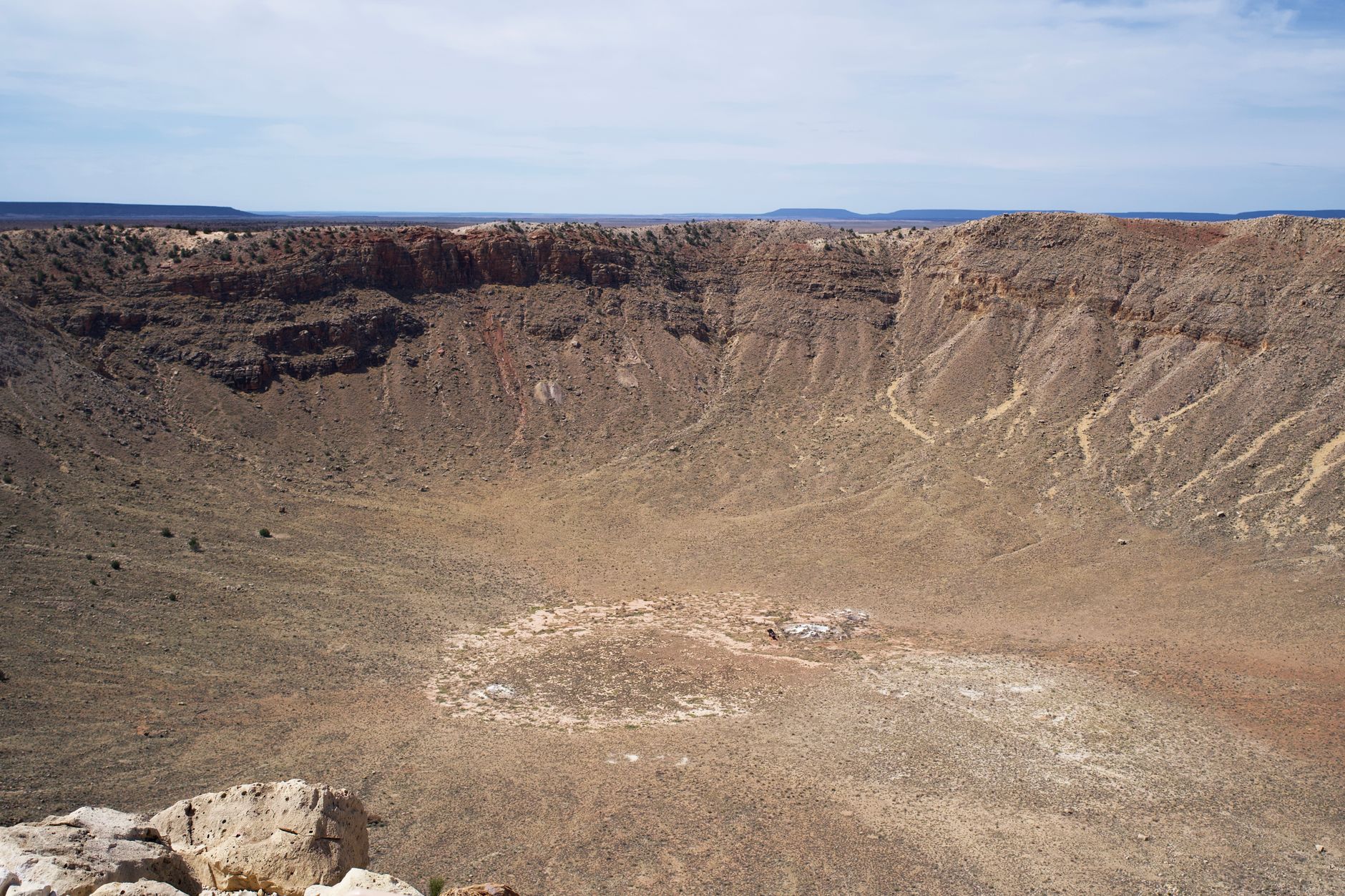
The impact crater discovery on Google Earth has captivated scientists and enthusiasts alike. This remarkable find showcases the power of technology in uncovering hidden geological wonders.
What is the Impact Crater Discovery?
The recent impact crater discovery has captivated both scientists and enthusiasts alike. This remarkable finding occurred when a man, while searching for iron ore on Google Earth, stumbled upon an uncharted impact crater that had never been mapped by science. The crater, located in a remote area, presents a unique opportunity for researchers to study the geological and environmental implications of such formations.
This discovery is significant for several reasons:
- Scientific Value: The newly identified crater could provide insights into the history of meteorite impacts on Earth and their effects on the planet’s geology.
- Environmental Impact: Understanding the location and size of impact craters can help scientists assess their impact on local ecosystems and climate over time.
- Technological Innovation: The use of satellite imagery and tools like Google Earth demonstrates the potential for technology to aid in scientific discoveries, allowing amateur explorers to contribute to professional research.
As researchers begin to analyze the crater, they hope to uncover valuable data that could enhance our understanding of Earth’s history. The impact crater discovery serves as a reminder of the mysteries that still exist in our world and the potential for future discoveries using modern technology.
How Google Earth Aided in the Find
In the quest for mineral resources, Google Earth has proven to be an invaluable tool for exploration. The recent impact crater discovery was made by a man searching for iron ore deposits, highlighting the platform’s potential in geological research. By utilizing satellite imagery, he was able to identify unusual circular formations that had previously gone unnoticed by scientists.
Google Earth allows users to zoom in on specific locations, providing high-resolution images of the Earth’s surface. This technology has transformed the way amateur and professional geologists alike conduct their research. With just a few clicks, users can survey vast landscapes and pinpoint areas of interest without the need for extensive fieldwork.
In this case, the discovery of the impact crater was serendipitous. The individual was initially focused on identifying potential mining sites but noticed a distinct feature unlike any other. Upon closer inspection, it became clear that this formation was consistent with known characteristics of impact craters.
After sharing his findings with experts, further investigation revealed the significance of the site. The crater had never been mapped in scientific literature, and its discovery opens up new avenues for research in planetary geology.
This incident serves as a reminder of the power of technology in modern exploration, as Google Earth continues to aid in uncovering geological wonders worldwide.
The Science Behind Impact Craters
Impact craters are fascinating geological formations created when a celestial object, such as a meteorite or asteroid, collides with a planetary surface. These craters provide essential insights into the history of our planet and the solar system. The recent impact crater discovery has reignited interest in how such features form and their implications for both Earth and other celestial bodies.
When a high-velocity object strikes the surface, it generates immense energy, resulting in a shockwave that displaces material and creates a depression. The size and shape of an impact crater can vary significantly based on several factors, including:
- The size and speed of the incoming object
- The angle of impact
- The composition of the surface material
Research into impact craters not only helps scientists understand the frequency and effects of such collisions but also sheds light on the geological history of the impacted area. The discovery of a new impact crater, especially one that has never been mapped by science, is particularly noteworthy. It adds valuable data to existing models and can improve our understanding of past events on Earth.
As more discoveries emerge through tools like Google Earth, the significance of such findings continues to grow, allowing researchers to explore our planet’s history in unprecedented ways.
Significance of Unmapped Geological Features
The discovery of unmapped geological features, such as the recent impact crater discovery, holds significant implications for both science and industry. While many geological formations have been cataloged, numerous features remain hidden beneath the Earth’s surface, waiting to be discovered. These unmapped features can provide critical insights into Earth’s history and its geological processes.
Impact craters, in particular, offer a unique window into the past. They are formed by the collision of celestial bodies with the Earth, and studying them can reveal information about:
- The age of the surface: By examining the layers of sediment and rock within the crater, scientists can determine how long it has been since the impact occurred.
- Planetary geology: Understanding the composition of an impact crater can shed light on the materials present on Earth and similar bodies in our solar system.
- Environmental effects: Analyzing the aftermath of an impact can help scientists understand how such events have influenced climate and biological evolution.
Moreover, the discovery of new craters can lead to valuable resources, such as minerals and metals that are critical for various industries. This emphasizes the importance of utilizing modern technology, like Google Earth, to uncover these hidden geological treasures.
Future Implications for Earth Mapping
The recent impact crater discovery has opened new avenues for understanding Earth’s geological history and mapping its features more accurately. As researchers delve into the data collected from this unmapped crater, they anticipate significant advancements in Earth mapping techniques.
One implication of this discovery is the potential for identifying other undiscovered craters across the globe. With the aid of advanced satellite imaging and data analysis, scientists can now utilize platforms like Google Earth to scour previously overlooked regions. This could lead to a surge in the documentation of impact craters, enriching our knowledge of Earth’s past.
Moreover, the impact crater discovery emphasizes the importance of citizen science. Individuals can contribute to scientific research by exploring tools like Google Earth, which can lead to significant findings. As more people engage in such activities, the likelihood of uncovering additional geological features increases.
Finally, understanding the distribution and characteristics of impact craters can enhance risk assessment for natural disasters caused by extraterrestrial objects. This may also provoke discussions about planetary defense strategies, as knowledge of past impacts could inform future policies aimed at protecting Earth.
In summary, the impact crater discovery not only changes our understanding of Earth’s geology but also reinforces the value of innovative mapping technologies and public involvement in scientific exploration.
The recent impact crater discovery has sparked interest among both amateur and professional geologists. Experts believe this impact crater discovery could lead to new insights about the Earth’s geological history.
Photo by Strange Happenings on Pexels
Sources
- Super Mario Galactic Wonder: The Best New Game Announcement
- iQOO OriginOS 7 Update: Is It the Best Rollout Schedule?
- iPhone 18 Pro upgrade: Is It Worth the Cost?