

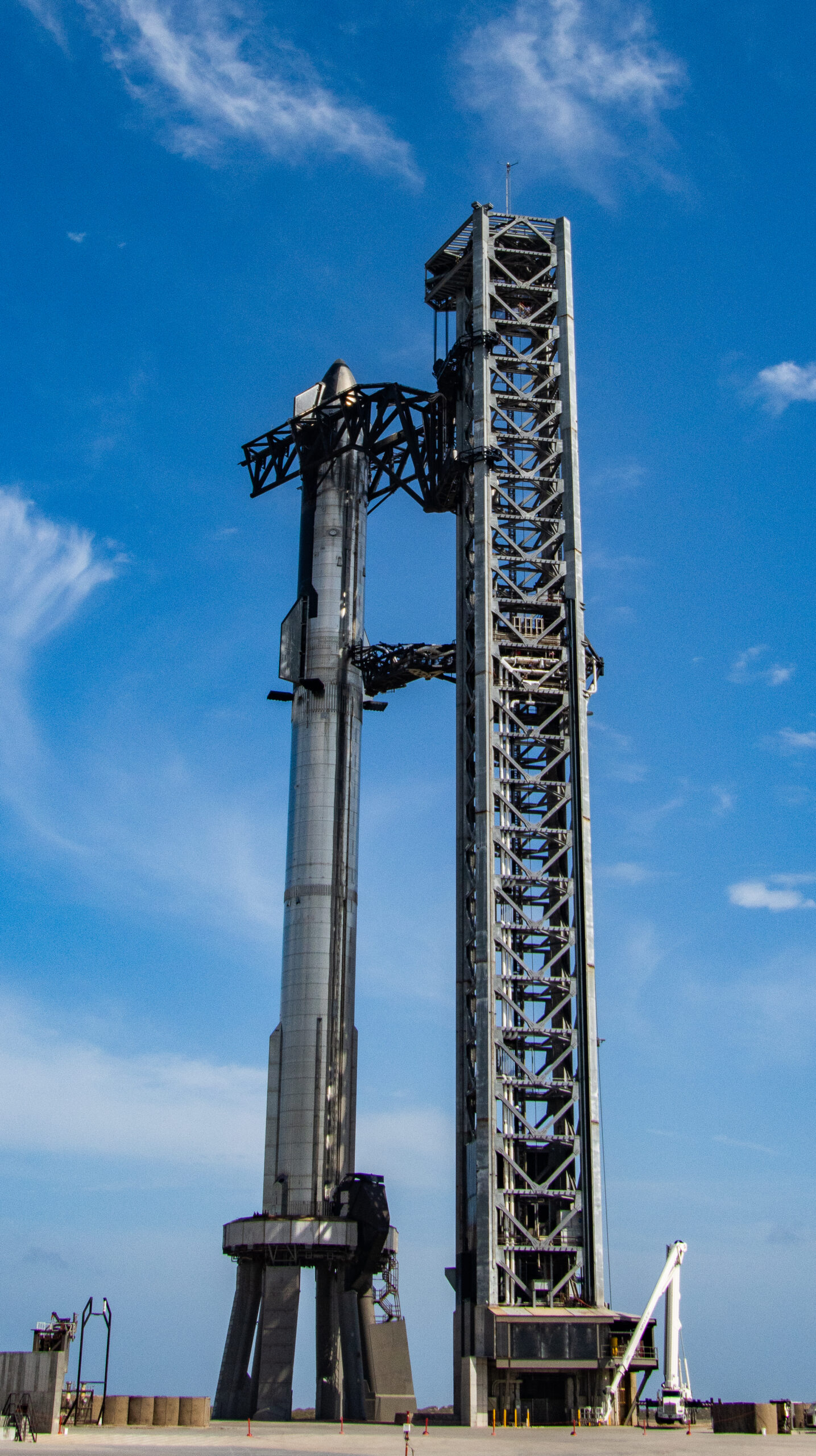
The orbital Starship test flight is a significant milestone for SpaceX. This historic launch aims to push the boundaries of space exploration and technology.
Overview of the Orbital Starship Test Flight
The Orbital Starship test flight marks a significant milestone in the journey of SpaceX and its ambitious plans for space exploration. This test flight aims to demonstrate the capabilities of the Starship spacecraft in reaching orbit and returning safely to Earth, a crucial step for future missions to the Moon, Mars, and beyond.
SpaceX has been working tirelessly to refine the design and improve the performance of the Starship system. The upcoming flight is particularly notable for several reasons:
- Innovative Design: The Starship is designed to be fully reusable, which could drastically reduce the cost of access to space.
- Heavy Lift Capability: With the ability to carry substantial payloads, the Starship could facilitate complex missions that require significant resources.
- Interplanetary Potential: The success of the orbital test flight could pave the way for manned missions to Mars, aligning with SpaceX’s vision of making life multi-planetary.
As anticipation builds, experts and enthusiasts alike are eager to witness the outcomes of this groundbreaking endeavor. The Orbital Starship test flight not only represents a technical achievement but also symbolizes humanity’s relentless pursuit of exploration and innovation in the realm of space travel.
What to Expect During the Launch
The upcoming orbital Starship test flight is set to be a groundbreaking event in space exploration. As SpaceX prepares for this significant milestone, several key elements will define the launch experience.
First and foremost, spectators can expect a spectacular liftoff. The Starship, a fully reusable spacecraft, will be launched atop the Super Heavy booster. This combination aims to deliver a powerful ascent, showcasing the engineering feats achieved by SpaceX.
During the launch, the primary objectives will include:
- Ascent Phase: The Starship will aim to reach a predetermined altitude, testing its systems and performance under the pressure of launch.
- Stage Separation: One of the key moments will be the separation of the Starship from the Super Heavy booster, a critical step in the flight.
- Orbital Insertion: The test flight will strive to achieve orbit, marking a significant achievement for SpaceX and its ambitions for future missions.
Additionally, ground teams will monitor all systems closely, gathering valuable data to refine future flights. This orbital Starship test flight not only represents a leap forward for SpaceX but also a pivotal moment for the future of space travel. As anticipation builds, the world watches closely.
Challenges Facing SpaceX’s Mission
The journey to achieve a successful orbital Starship test flight is fraught with numerous challenges that SpaceX must navigate. These hurdles are not only technical but also regulatory, as the company seeks to push the boundaries of space travel.
One of the primary challenges is ensuring the reliability of the Starship’s systems. The spacecraft is designed for multiple missions, which requires a level of resilience that has yet to be fully tested. Any failure during the orbital test could set back the program significantly.
Additionally, regulatory approvals present another layer of complexity. SpaceX must adhere to strict guidelines set by the Federal Aviation Administration (FAA) and other agencies. Delays in obtaining these permits could impact launch schedules and overall mission timelines.
Furthermore, there are logistical challenges associated with the preparation for the orbital Starship test flight. This includes coordinating ground support, managing fuel logistics, and ensuring that safety protocols are meticulously followed.
Lastly, public perception and support play a crucial role in SpaceX’s endeavors. The company must effectively communicate the importance of this test flight to the public and stakeholders, highlighting its potential benefits for future space exploration and commercial travel.
Despite these challenges, SpaceX remains committed to overcoming obstacles in pursuit of its ambitious goals.
The Future of Space Travel with Starship
The future of space travel is poised to be transformed by innovations like the Orbital Starship test flight. As SpaceX continues to refine its spacecraft technology, experts believe that this mission could pave the way for a new era of exploration beyond Earth.
One of the key advantages of the Starship program is its reusability. Unlike traditional rockets, which are often discarded after a single launch, the Starship aims to be fully reusable, significantly reducing the cost of access to space. This economic efficiency could democratize space travel, allowing not only government missions but also commercial ventures and scientific research to thrive.
Moreover, the capabilities of Starship extend beyond Earth orbit. The spacecraft is designed for missions to the Moon, Mars, and potentially beyond. This versatility has captured the imagination of scientists and dreamers alike, who envision a future where human presence is established on other celestial bodies.
- Human Exploration: Opportunities for permanent settlements on Mars.
- Scientific Research: Enhanced data collection from other planets.
- Commercial Opportunities: The potential for space tourism and mining asteroids.
As the Orbital Starship test flight approaches, excitement builds around the possibilities it represents. The success of this mission could indeed mark a turning point in humanity’s quest to explore the cosmos.
Key Milestones in SpaceX History
SpaceX has achieved several significant milestones that have paved the way for the upcoming orbital Starship test flight. Each step has contributed to the company’s growing reputation in the aerospace industry.
- 2002: SpaceX was founded by Elon Musk with the goal of reducing space transportation costs.
- 2008: The Falcon 1 rocket became the first privately developed liquid-fueled rocket to reach orbit, marking a major achievement.
- 2012: SpaceX’s Dragon spacecraft made history by becoming the first commercial spacecraft to deliver cargo to the International Space Station (ISS).
- 2015: The Falcon 9 rocket successfully delivered cargo to the ISS and returned safely to Earth, demonstrating reusable rocket technology.
- 2020: SpaceX’s Crew Dragon spacecraft transported astronauts to the ISS, marking the first crewed flight from U.S. soil since 2011.
- 2021: The Starship prototype completed several high-altitude test flights, showcasing its capabilities and laying the groundwork for future missions.
These milestones highlight SpaceX’s relentless pursuit of innovation and its commitment to revolutionizing space travel. As the company prepares for the orbital Starship test flight, the excitement within the aerospace community continues to build.
Expert Opinions on the Test Flight
Experts from various fields have shared their insights regarding the upcoming orbital Starship test flight, which many believe could redefine the future of space exploration. According to Dr. Emily Roberts, an aerospace engineer, “This test flight represents a significant step forward in reusable rocket technology. If successful, it could drastically lower the cost of accessing space.”
In contrast, Dr. James Thornton, an astrophysicist, emphasizes caution. He states, “While the ambitions of SpaceX are commendable, the complexities of launching a fully operational Starship into orbit should not be underestimated. The stakes are incredibly high.”
Industry analyst Sarah Chen notes the potential commercial implications. “If the orbital test flight goes well, SpaceX could open up new opportunities for satellite deployment and even interplanetary missions. This would be a game changer for both private and public space endeavors.”
Furthermore, former NASA astronaut Mark Davis highlights the broader impact on international space policy. He remarks, “The success of this mission could prompt other nations to accelerate their own space programs, leading to a new era of collaboration—or competition—in space.”
As the launch date approaches, opinions remain divided, but one thing is certain: the orbital Starship test flight is drawing global attention and could significantly influence the trajectory of future space ventures.
Conclusion: The Importance of This Launch
The upcoming orbital Starship test flight represents a significant milestone in the evolution of space exploration. As SpaceX strives to make interplanetary travel a reality, this launch could redefine our understanding of space ventures. The implications of this test flight extend beyond just the technical achievements; they touch upon the very fabric of humanity’s aspirations for exploration and innovation.
One of the most critical aspects of this launch is its potential to open new avenues for commercial space travel. With successful missions, SpaceX could pave the way for regular flights to destinations such as the Moon and Mars, thus transforming the landscape of space tourism and scientific research.
Moreover, the orbital Starship test flight symbolizes the culmination of years of research, development, and resilience in the face of challenges. This launch is not merely about the rocket; it is about the dreams and ambitions of countless individuals who envision a future where space is accessible.
In conclusion, the importance of this launch cannot be overstated. It stands as a testament to human ingenuity and determination. The outcomes of the orbital Starship test flight will not only impact SpaceX but will also influence the broader context of space exploration and our place in the universe.
By Jenny Hautmann via Openverse
References
You might also like
- OPPO Find X10: The Best Proven Smartphone Features
- AI Federal Safeguards: Smart Solutions for Industry Regulation
- PS1-style sci-fi horror: Best Proven FPS Experience