

India imaging satellite launch is a historic achievement for ISRO, marking the successful deployment of the country’s first-ever imaging satellite in geo-orbit.
Overview of the Imaging Satellite Launch
The recent launch of India’s first-ever imaging satellite into geo-orbit marks a significant milestone for the Indian Space Research Organisation (ISRO). This achievement not only enhances India’s capabilities in satellite technology but also strengthens its position in the global space arena.
The launch took place as part of a larger initiative to improve India’s surveillance and reconnaissance capabilities. The imaging satellite is designed to capture high-resolution images of the Earth, which can be used for various applications, including:
- Agricultural monitoring: Assessing crop health and planning for food security.
- Urban planning: Assisting in the development and management of cities.
- Disaster management: Facilitating timely responses to natural disasters.
- Environmental monitoring: Tracking changes in land use and pollution levels.
The successful launch has garnered praise from Prime Minister Narendra Modi, who highlighted the importance of this advancement for India’s future. As the nation continues to invest in space technology, the launch of the imaging satellite serves as a testament to India’s growing prowess in the field.
Overall, the India imaging satellite launch represents a significant step forward in harnessing space technology for national development and global collaboration.
Significance of Geo-Orbit Satellites
The recent launch of India’s first-ever imaging satellite in geo-orbit marks a significant milestone for the Indian Space Research Organisation (ISRO) and the nation as a whole. The ability to deploy imaging satellites in geo-stationary orbits offers numerous advantages that can greatly enhance various sectors.
Geo-orbit satellites provide continuous coverage of specific regions, allowing for persistent monitoring of environmental changes, urban development, and agricultural patterns. This capability is crucial for:
- Disaster Management: Real-time data from imaging satellites can assist in disaster preparedness and response, helping authorities to make informed decisions during emergencies.
- Agricultural Monitoring: Farmers can benefit from precise information regarding crop health, soil conditions, and weather forecasts, leading to improved yield.
- Urban Planning: City planners can utilize satellite imagery to analyze land use, enabling better infrastructure development and sustainable growth.
- Environmental Protection: Continuous monitoring can help track deforestation, pollution, and other ecological issues, facilitating timely interventions.
In summary, the launch of India’s imaging satellite in geo-orbit is not just a technological achievement; it represents a pivotal step towards harnessing space technology for the upliftment of society and the environment.
PM Modi’s Response to the Achievement
In response to the successful launch of India’s first-ever imaging satellite in geo-orbit, Prime Minister Narendra Modi expressed his pride and admiration for the achievement. He highlighted the significance of this milestone in enhancing India’s capabilities in space technology and research.
PM Modi stated, “This launch marks a new chapter in our journey towards technological advancement and environmental monitoring.” He emphasized the importance of such innovations in supporting various sectors, including agriculture, urban planning, and disaster management.
Furthermore, the Prime Minister acknowledged the hard work and dedication of the scientists and engineers at the Indian Space Research Organisation (ISRO). He noted, “Their relentless efforts have made this launch possible, showcasing India’s growing expertise in space exploration.”
In his message, PM Modi also expressed hope that the India imaging satellite launch would inspire the next generation of scientists and innovators. He reiterated the government’s commitment to investing in research and development to further bolster India’s position as a leader in space technology.
As the nation celebrates this achievement, the Prime Minister called for continued support for ISRO’s initiatives, which play a crucial role in advancing India’s technological prowess.
Future Prospects for India’s Space Program
The successful launch of India’s first-ever imaging satellite in geo-orbit marks a pivotal moment for the country’s space program. As India continues to advance its capabilities in satellite technology, the prospects for future missions look promising. This achievement not only enhances India’s position in the global space arena but also opens doors for various applications.
Looking ahead, experts anticipate that India will focus on:
- Expanding Satellite Constellations: Future imaging satellites may be designed to work in concert, providing more comprehensive data and improving resolution.
- Enhanced Remote Sensing: The imaging capabilities will benefit agriculture, urban planning, and disaster management through accurate and timely data.
- International Collaborations: India is likely to engage in partnerships with other nations, sharing technology and expertise to strengthen global space efforts.
- Commercial Ventures: The growing demand for satellite data presents opportunities for India to enter commercial markets, offering services to both domestic and international clients.
As India embarks on these ambitious projects, the recent imaging satellite launch serves as a testament to its growing expertise and commitment to pushing the boundaries of space exploration.
The recent India imaging satellite launch has demonstrated the country’s growing capabilities in space technology. As experts analyze the outcomes, the India imaging satellite launch is expected to significantly enhance various sectors, including agriculture and urban planning.
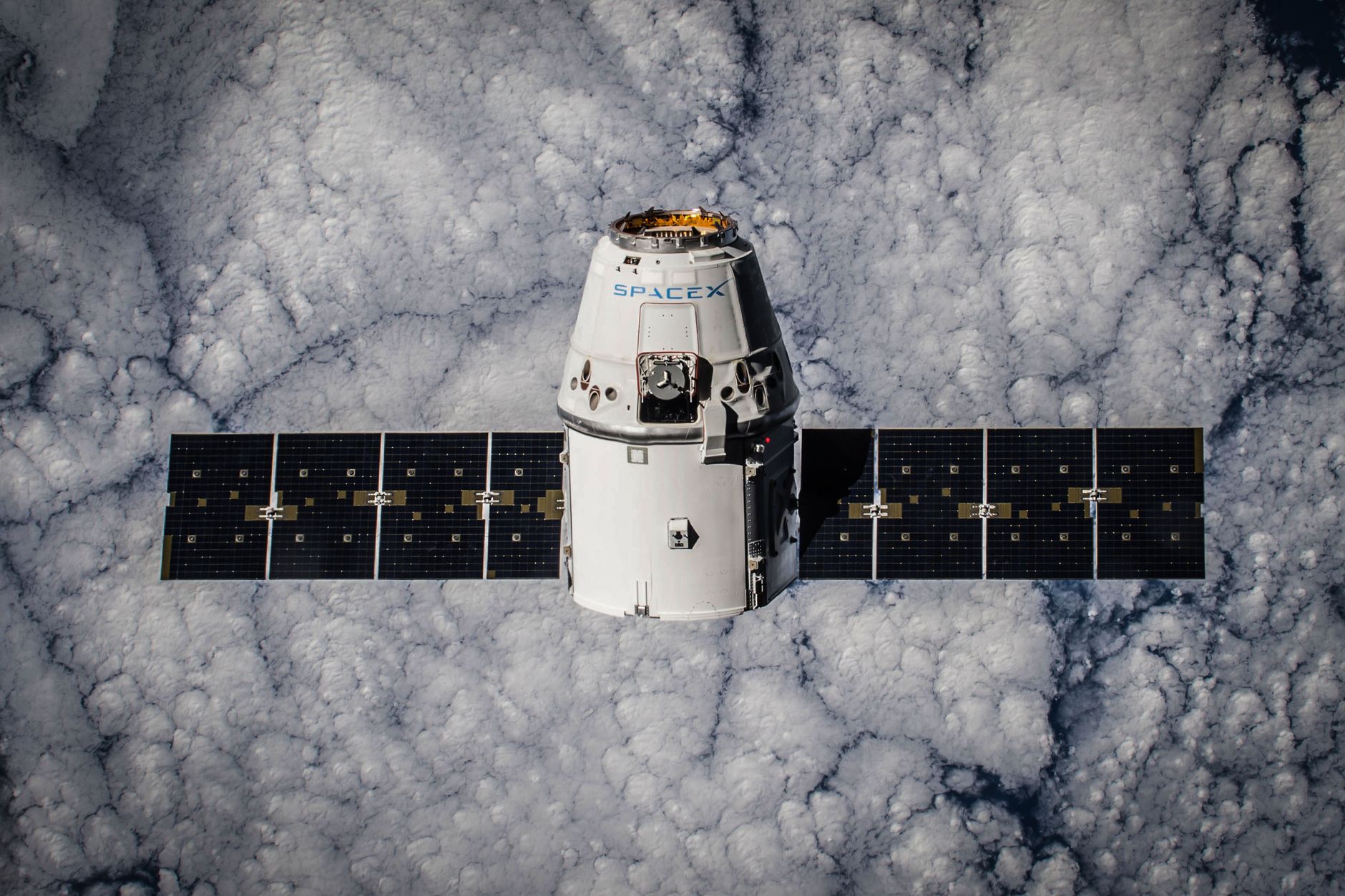
Photo by SpaceX on Pexels
References
- Gemini Flash models: The Worst AI Models Yet? Proven Insights
- Understanding Jusoongil’s 2026 Approach to Organized Online Discovery
- How Many NVIDIA H100 GPUs Do You Need for LLM Training?