

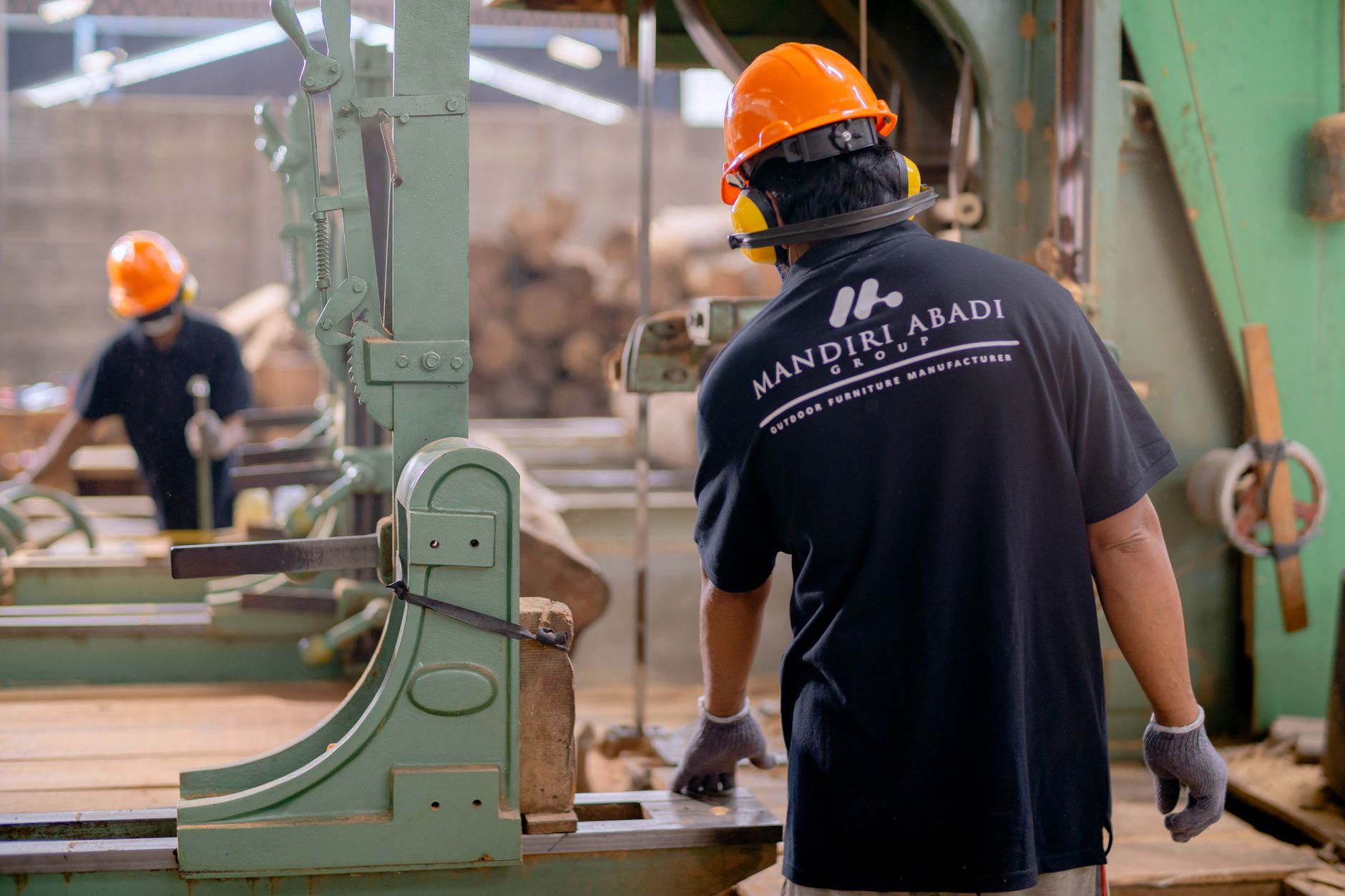
Claude for Manufacturing is revolutionizing the way factories operate with its advanced capabilities. This new AI model from Anthropic boasts 17 factory skills designed to optimize production.
What is Claude for Manufacturing?
Claude for Manufacturing is an advanced AI model specifically designed to enhance efficiency and productivity within the manufacturing sector. Developed by Anthropic, this cutting-edge tool boasts 17 distinct factory skills that cater to various operational needs, making it a vital asset for manufacturers looking to streamline their processes.
This innovative model is built on the foundation of Claude, a well-known AI framework, but has been tailored to address the unique challenges faced by factories. By leveraging machine learning and natural language processing, Claude for Manufacturing can assist in several key areas, providing valuable insights and automating routine tasks.
- Predictive Maintenance: The AI can analyze equipment data to forecast potential failures, allowing for timely interventions.
- Supply Chain Optimization: It helps manufacturers manage inventory levels and supplier relationships more effectively.
- Quality Control: By utilizing advanced analytics, Claude can identify defects in real-time, ensuring product excellence.
- Workforce Management: The model aids in scheduling and task allocation, enhancing overall workforce productivity.
With its specialized skills, Claude for Manufacturing not only enhances operational efficiency but also contributes to cost reductions and improved product quality, making it a transformative solution in the modern manufacturing landscape.
Key Features of Claude
Claude for Manufacturing is designed to enhance efficiency and productivity in various industrial settings. Its key features are tailored to meet the unique demands of the manufacturing sector, ensuring that businesses can leverage AI technology to streamline operations.
- Advanced Natural Language Processing: Claude utilizes cutting-edge NLP capabilities to understand complex instructions and provide relevant responses, making it easier for workers to interact with machines and systems.
- Real-time Data Analysis: The AI model can analyze vast amounts of data from production lines, enabling manufacturers to make informed decisions quickly and optimize processes.
- Integration with Existing Systems: Claude for Manufacturing seamlessly integrates with existing software and hardware, allowing companies to adopt AI solutions without overhauling their current operations.
- Customizable Skills: With 17 factory skills, Claude can be tailored to various manufacturing tasks, from quality control to inventory management, ensuring that it meets specific business needs.
- Continuous Learning: The AI model is designed to continuously improve its performance through machine learning, adapting to changing environments and enhancing its capabilities over time.
With these features, Claude for Manufacturing represents a significant advancement in the application of AI within the industry, promising to drive innovation and reduce operational costs.
How Claude Enhances Factory Skills
Claude for Manufacturing significantly enhances the skill set of factory operations by seamlessly integrating artificial intelligence into the production process. This advanced AI model is designed to optimize various aspects of manufacturing, ensuring efficiency and precision.
One of the primary ways Claude improves factory skills is through its ability to assess and analyze real-time data. By continuously monitoring equipment performance and production metrics, it enables manufacturers to make informed decisions that reduce downtime and increase output. With its predictive analytics capabilities, Claude can foresee potential issues before they escalate, allowing for proactive maintenance.
Moreover, Claude for Manufacturing streamlines communication among different departments. It facilitates collaboration by providing a centralized platform where teams can share insights and updates, ensuring everyone is on the same page. This enhanced communication leads to improved teamwork and faster problem-solving.
Additionally, Claude supports workforce training by offering personalized learning experiences. Through simulated scenarios and interactive feedback, workers can develop their skills in a safe environment, preparing them for real-world challenges.
In conclusion, Claude for Manufacturing not only automates processes but also empowers employees with the tools and knowledge needed to excel in their roles, driving overall productivity and innovation in the manufacturing sector.
Benefits of Using Claude in Manufacturing
The introduction of Claude for Manufacturing offers numerous advantages that can significantly enhance operational efficiency and decision-making processes within factories. By leveraging advanced AI capabilities, manufacturers can experience a variety of benefits, including:
- Increased Productivity: Claude automates repetitive tasks, allowing workers to focus on more complex responsibilities, thereby improving overall productivity.
- Enhanced Quality Control: With its advanced machine learning algorithms, Claude can identify defects and anomalies in real-time, ensuring that products meet the highest quality standards.
- Data-Driven Insights: Claude analyzes vast amounts of production data to provide actionable insights, helping managers make informed decisions that optimize operations.
- Reduced Downtime: Predictive maintenance capabilities enable Claude to foresee equipment failures before they occur, minimizing unplanned downtime and maintenance costs.
- Improved Safety Measures: By monitoring factory environments, Claude can identify potentially hazardous situations, enhancing worker safety and compliance with regulations.
- Customization and Flexibility: Claude can be tailored to specific manufacturing processes, ensuring that it meets the unique needs of each production line.
Ultimately, the adoption of Claude for Manufacturing represents a transformative approach for factories seeking to embrace innovation and boost their competitive edge in the industry.
Comparing Claude with Other AI Models
In the rapidly evolving landscape of artificial intelligence, Claude for Manufacturing stands out when compared to other AI models available in the market. While many models offer basic functionalities, Claude provides a unique combination of advanced capabilities tailored specifically for the manufacturing sector.
One of the key differentiators of Claude is its ability to integrate seamlessly with existing manufacturing systems. Unlike traditional AI models, which often require extensive customization, Claude adapts quickly, reducing the implementation time significantly. This adaptability allows manufacturers to leverage AI technology without disrupting their current workflows.
Additionally, Claude excels in processing complex data inputs. Other AI models may struggle with the volume and diversity of data generated in a factory setting. In contrast, Claude’s sophisticated algorithms ensure that data analysis is not only accurate but also timely, enabling manufacturers to make informed decisions rapidly.
Another notable advantage of Claude is its focus on enhancing human skills within the factory. While some AI models aim to replace human workers, Claude emphasizes collaboration, allowing operators and machines to work together more efficiently. This human-centric approach fosters a positive work environment and boosts overall productivity.
In summary, when comparing Claude for Manufacturing to its competitors, it is clear that its unique features and capabilities position it as a leader in the field, making it the best proven AI model for modern manufacturing challenges.
Real-World Applications of Claude
The introduction of Claude for Manufacturing has revolutionized the way factories operate by offering practical solutions to common challenges. Several real-world applications demonstrate its versatility and effectiveness in various manufacturing processes.
One notable application is in predictive maintenance. By analyzing machine performance data, Claude can forecast potential failures and suggest maintenance schedules, significantly reducing downtime and maintenance costs. This proactive approach ensures that production lines remain operational, enhancing overall productivity.
Another key application is in quality control. Claude utilizes advanced algorithms to identify defects in products during production. By implementing real-time monitoring systems, it can flag issues immediately, allowing for quick corrections and minimizing waste.
Furthermore, Claude can optimize supply chain logistics. With its ability to analyze vast amounts of data, it helps manufacturers manage inventory levels efficiently and streamline the procurement process. This leads to timely deliveries and customer satisfaction.
Lastly, Claude for Manufacturing plays a crucial role in workforce training. By providing tailored training programs based on individual employee needs, it enhances skill development and boosts overall factory efficiency. This focus on continuous improvement fosters a culture of innovation within manufacturing environments.
These practical applications highlight how Claude for Manufacturing is not just a theoretical concept, but a powerful tool that drives real change in the industry.
User Feedback on Claude for Manufacturing
User feedback on Claude for Manufacturing has been overwhelmingly positive, with many users highlighting its transformative impact on factory operations. Early adopters report significant improvements in efficiency and productivity, attributing these gains to the model’s advanced capabilities.
One user noted, “Since integrating Claude for Manufacturing, we’ve seen a 30% reduction in downtime. The AI’s ability to predict maintenance needs is a game changer.” Such testimonials underscore the model’s proficiency in enhancing operational workflows.
Another user emphasized the tool’s intuitive interface, stating, “Even team members with minimal technical expertise can leverage Claude effectively. It simplifies complex processes, making it accessible to everyone.” This ease of use has been a critical factor in its adoption across various manufacturing sectors.
In addition to efficiency, users appreciate the AI’s capability to adapt to specific factory environments. Claude for Manufacturing tailors its suggestions based on real-time data, allowing users to make informed decisions quickly. Feedback highlights how this adaptability fosters innovation and supports continuous improvement initiatives.
Overall, the consensus among users is clear: Claude for Manufacturing is not just a tool but a strategic partner that empowers factories to thrive in a competitive landscape.
Future of AI in Manufacturing
The future of AI in manufacturing is poised for significant transformation, with models like Claude for Manufacturing leading the charge. As industries continue to evolve, the integration of advanced artificial intelligence will streamline operations, enhance productivity, and foster innovation.
One of the key aspects of Claude’s future impact lies in its adaptability. As manufacturers face unique challenges, Claude’s ability to learn and evolve will allow it to provide tailored solutions that meet specific needs. This capability will empower factories to optimize their processes and reduce waste effectively.
Furthermore, the collaboration between human workers and AI systems like Claude is expected to redefine job roles within the manufacturing sector. Workers will increasingly engage with AI to augment their skills, leading to a more efficient workforce that is equipped to tackle complex tasks.
In addition, the growing emphasis on sustainability in manufacturing will benefit from Claude’s analytical capabilities. By providing insights into resource management and energy efficiency, Claude can help companies meet their environmental goals while maintaining profitability.
As these advancements unfold, the role of Claude for Manufacturing will likely expand, making it an indispensable tool for future manufacturing enterprises. The continued investment in AI technologies will further enhance Claude’s functionalities, ensuring that it remains at the forefront of manufacturing innovation.
Photo by Mandiri Abadi on Pexels
Read the original
You might also like
ChatGPT Wallet Launch: Is This the Best AI Purchase Tool? · Oppo pocket gimbal camera: Best proven tech innovation · Winspace C6 performance: Best proven speed and comfort