

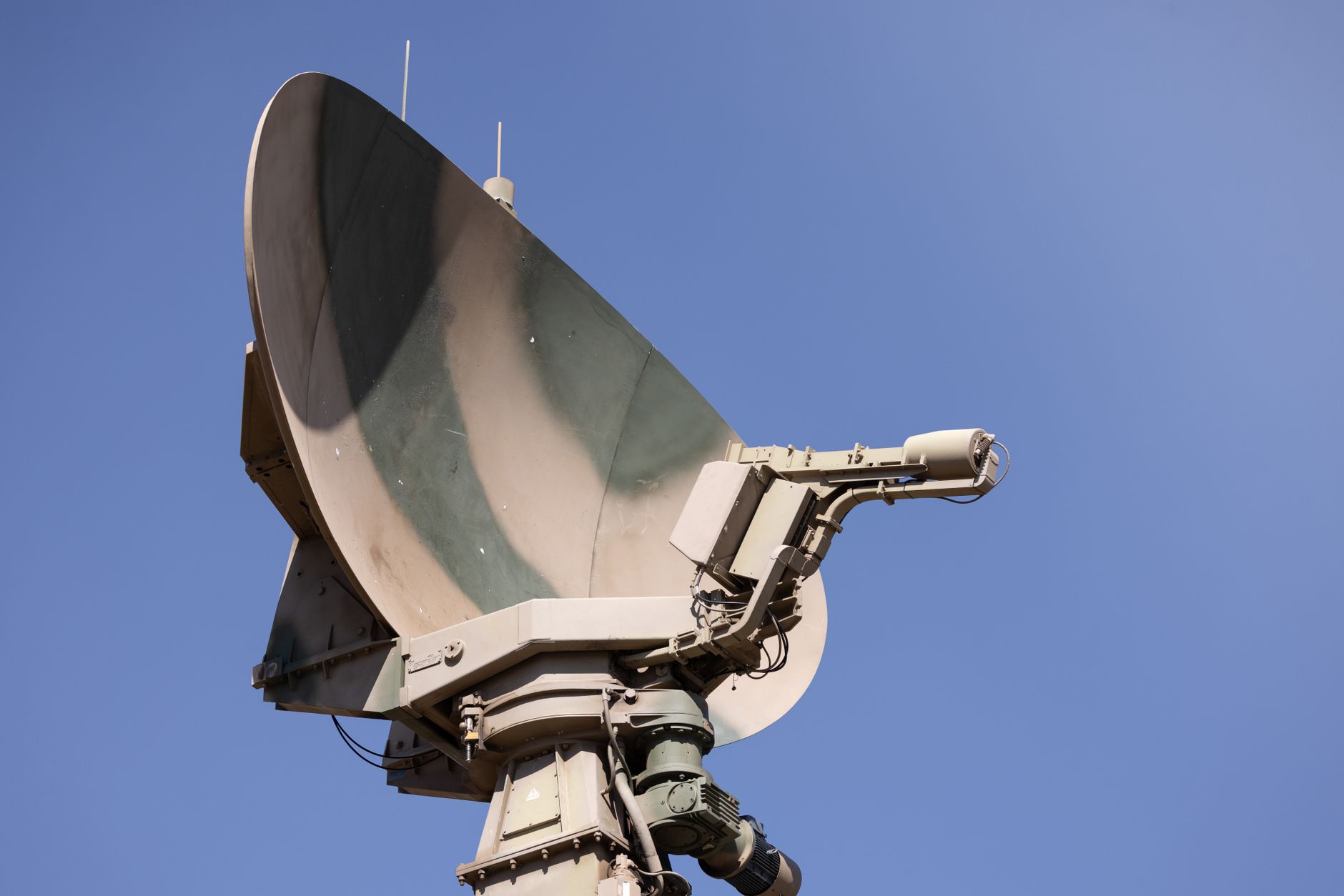
Military satellite communications are at the forefront of modern defense technology. The recent launch of the Titania military satellite by the UK aims to test innovative laser communication systems.
Introduction to Military Satellite Communications
Military satellite communications play a vital role in modern defense strategies, enabling secure and reliable communication across vast distances. These advanced systems facilitate real-time data exchange, critical for decision-making during operations.
As nations invest in enhancing their military capabilities, satellite communications have emerged as a cornerstone for effective defense. The recent launch of the Titania military satellite by the UK exemplifies this trend, as it aims to test innovative laser communication technologies.
Laser communications promise numerous advantages, including:
- High Data Rates: The ability to transmit large volumes of data quickly enhances operational effectiveness.
- Increased Security: Laser communications are more difficult to intercept than traditional radio frequencies.
- Reduced Size and Weight: Smaller satellite systems can be deployed more easily, improving overall efficiency.
These advancements underscore the importance of military satellite communications in ensuring that armed forces remain connected and informed in an increasingly complex global landscape.
The Role of Laser Technology in Defense
Recent advancements in laser technology have significantly enhanced military satellite communications, offering a reliable alternative to traditional radio frequency systems. The integration of laser communications into military operations has several key benefits.
- Increased Bandwidth: Laser technology can provide higher data rates, allowing for the transmission of larger volumes of information during critical missions.
- Enhanced Security: Laser communications are less susceptible to interception, making it a more secure option for sensitive military communications.
- Reduced Size and Weight: Laser systems are often smaller and lighter than conventional RF systems, facilitating easier deployment on various platforms.
- Resilience to Interference: Unlike radio frequencies, laser communications are less affected by environmental factors such as weather or jamming, ensuring consistent connectivity.
The recent UK launch of the Titania military satellite aims to test these laser communication capabilities, paving the way for future enhancements in military satellite communications. As nations continue to invest in these technologies, the role of lasers in defense is expected to expand significantly.
Benefits of the Titania Satellite Launch
The recent launch of the Titania military satellite has highlighted several key benefits for defense operations. This advanced satellite is designed to enhance military satellite communications through innovative technologies.
One of the most significant advantages of Titania is its ability to utilize laser communication systems. This technology allows for faster data transmission compared to traditional radio frequency methods. As a result, military personnel can receive critical information more rapidly, improving response times in various situations.
Additionally, Titania’s deployment is expected to bolster network resilience. The satellite’s laser capabilities enable secure and jam-resistant communications, which are essential in modern warfare where cyber threats are prevalent.
Furthermore, the Titania satellite offers increased bandwidth, allowing for greater data throughput. This enhancement will facilitate more complex operations, such as real-time video feeds and advanced battlefield communication.
Overall, the Titania military satellite launch represents a significant step forward in military satellite communications, ensuring that defense forces are better equipped to handle contemporary challenges.
Comparing Traditional vs. Laser Communications
As military satellite communications evolve, a comparison between traditional radio frequency systems and emerging laser communication technology becomes essential. Traditional satellite communications rely on radio waves, which have been the cornerstone of military communications for decades. However, these systems face limitations, including bandwidth constraints and susceptibility to interference.
On the other hand, laser communications offer several distinct advantages:
- Higher Data Rates: Laser systems can transmit data at significantly higher rates, enabling faster communication and more efficient operations.
- Enhanced Security: The focused nature of laser beams makes them difficult to intercept, providing a more secure channel for sensitive military information.
- Reduced Size and Weight: Laser communication systems can be more compact and lightweight compared to traditional antennas, allowing for easier integration into various platforms.
- Improved Resistance to Jamming: Laser communications are less vulnerable to jamming compared to radio frequency systems, ensuring reliable connections in contested environments.
These benefits highlight the potential of laser technology to revolutionize military satellite communications, paving the way for advanced defense capabilities.
Future of Military Communication Technologies
The future of military communication technologies is poised for significant advancements, driven by the integration of cutting-edge satellite systems. As defense forces worldwide seek to enhance their operational capabilities, military satellite communications will play a crucial role in achieving robust and secure communication channels.
Emerging technologies such as quantum communication and artificial intelligence are expected to revolutionize how data is transmitted and processed in real-time. These innovations aim to provide increased bandwidth and enhanced encryption, ensuring that sensitive information remains secure from potential threats.
Furthermore, with the successful launch of the Titania satellite, there is an encouraging shift towards laser communication technologies. This method promises faster data transmission rates and reduced vulnerability to interception, making it an ideal solution for military applications.
As nations invest in these advanced technologies, the future landscape of military communications will likely see a blend of traditional and modern methods, creating a more resilient and adaptive defense network that can respond to evolving challenges.
- Enhanced security through advanced encryption
- Improved data transmission speeds
- Integration of AI for real-time processing
Conclusion and Implications for National Security
In conclusion, military satellite communications play a pivotal role in enhancing national security. The recent advancements, particularly the successful Titania satellite launch, have demonstrated the potential of laser technology in streamlining communication processes within defense operations. As military forces increasingly rely on real-time data sharing, the implications of efficient satellite communications become clearer.
The integration of cutting-edge technology not only boosts operational efficiency but also fortifies the strategic capabilities of armed forces. Key benefits include:
- Improved Communication Reliability: Laser communications provide a more secure and stable connection, reducing the risk of interception.
- Increased Data Transmission Speeds: Enhanced bandwidth allows for faster data transfers, essential for timely decision-making.
- Cost-Effective Solutions: The use of advanced satellites minimizes the need for extensive ground infrastructure.
As nations continue to invest in military satellite communications, the future looks promising for defense strategies that prioritize efficiency and security. The evolution of these technologies will undoubtedly shape the landscape of national defense in the years to come.
Photo by Magda Ehlers on Pexels
Sources
Related reading
Sony MDR-3R headphones: The Best Nostalgic Audio Experience · Pakistani astronaut space mission: Is it the best move ever? · Discord Android speed: Is it the best quick upgrade?