

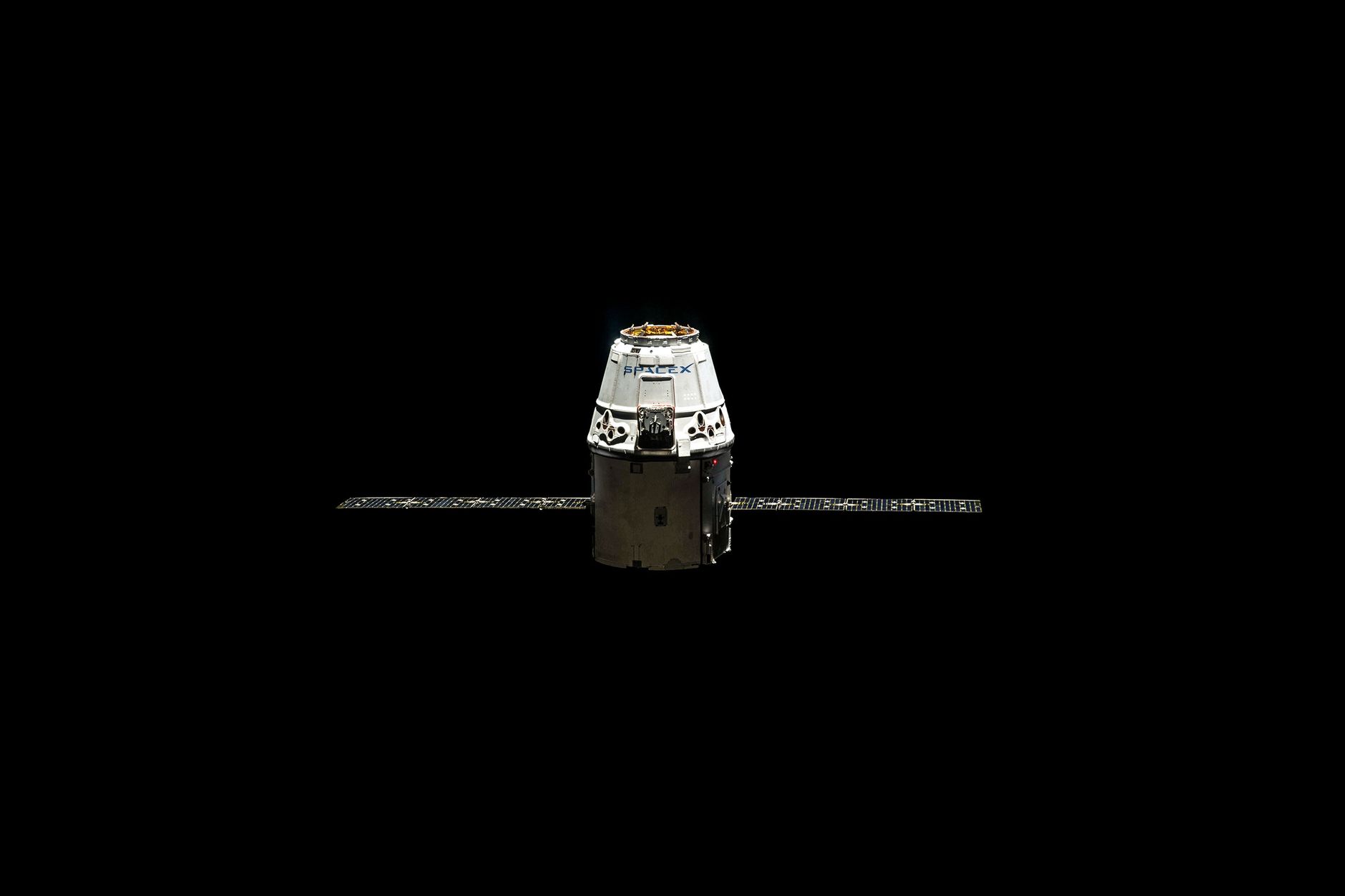
SpaceX Starship flight has successfully completed its first orbital journey, showcasing advancements in space technology. This milestone is a major achievement for the aerospace industry.
Overview of SpaceX Starship flight
SpaceX’s recent milestone, the inaugural Starship flight, marks a significant advancement in space travel, showcasing the company’s commitment to revolutionizing the aerospace industry. This historic event is a testament to SpaceX’s relentless pursuit of innovation and has garnered widespread recognition from organizations and space enthusiasts alike.
The completed orbital flight successfully demonstrated the capabilities of the Starship, which is designed for missions to Mars and beyond. This flight not only validated the engineering behind the spacecraft but also highlighted the potential for future interplanetary exploration.
The National Space Society extends its congratulations to SpaceX for achieving this remarkable feat. The organization emphasizes that such milestones are crucial for inspiring the next generation of scientists and engineers. Several key aspects contributed to the success of the flight:
- Innovative Design: The unique architecture of the Starship allows for reusability, drastically reducing the cost of access to space.
- Advanced Technology: Incorporating cutting-edge propulsion systems ensures efficient travel to and from various destinations.
- Collaborative Efforts: The success is a result of teamwork and collaboration among SpaceX engineers, scientists, and industry partners.
This remarkable achievement underlines the potential of the SpaceX Starship flight to reshape the future of space exploration.
Significance of the first orbital flight
The recent SpaceX Starship flight marks a significant milestone in the realm of space travel, showcasing advancements that could redefine future missions. This first orbital flight is not just a technical achievement; it represents a pivotal moment in humanity’s ongoing quest to explore the cosmos.
One of the primary significances of this flight lies in its potential to facilitate deeper space exploration. With the capability to carry larger payloads, Starship could enable missions to the Moon, Mars, and beyond, paving the way for sustainable human presence on other celestial bodies.
Furthermore, this flight demonstrates the effectiveness of reusable rocket technology. By successfully landing and refurbishing rockets, SpaceX can significantly reduce the cost of space travel, making it more accessible to various organizations and governments.
The implications extend beyond mere exploration. The advancements in technology and engineering from the SpaceX Starship flight could lead to innovations in satellite deployment, scientific research, and even space tourism. As the National Space Society noted, this achievement not only celebrates SpaceX’s efforts but also inspires future generations of scientists and engineers.
In summary, the significance of the first orbital flight of Starship lies in its ability to transform the landscape of space exploration and pave the way for groundbreaking opportunities.
Reactions from the National Space Society
The National Space Society (NSS) has expressed strong support and enthusiasm following the successful SpaceX Starship flight, marking what they consider a significant milestone in space exploration. In a recent statement, the NSS congratulated SpaceX for achieving its first orbital flight, emphasizing the monumental impact this accomplishment has on advancing human space travel.
According to the NSS, the successful launch demonstrates not only technological prowess but also the potential for future space missions that could take humanity further into the cosmos. The organization highlighted several key aspects of the flight that impressed space enthusiasts and industry experts alike:
- Innovation: The NSS noted that SpaceX’s advancements in reusable rocket technology could revolutionize how we approach space travel.
- Collaboration: The flight showcased the importance of partnerships between private companies and governmental space agencies in pushing the boundaries of exploration.
- Inspiration: The successful orbital flight of Starship serves as a beacon of hope, inspiring a new generation to pursue careers in science, technology, engineering, and mathematics (STEM).
Overall, the National Space Society views the SpaceX Starship flight as a pivotal moment that paves the way for future exploration and the eventual colonization of other planets.
Future missions planned for Starship
As SpaceX continues to make strides in space exploration, several future missions are planned for the Starship, building on the success of its recent orbital flight. These upcoming missions aim to expand our understanding of deep space travel and pave the way for human colonization of other planets.
Among the most anticipated missions is a planned lunar landing, which aligns with NASA’s Artemis program. This mission will utilize the Starship as a lunar lander, taking astronauts to the Moon’s surface and back, showcasing its capabilities beyond Earth.
Additionally, SpaceX is preparing for a series of missions to Mars, with the goal of establishing a sustainable human presence on the Red Planet. These missions will focus on:
- Transporting cargo: Delivering essential supplies and equipment to support future habitation.
- Human crewed missions: Sending astronauts to conduct scientific research and exploration.
- Testing technologies: Developing life support systems and habitats for long-term survival.
With each planned SpaceX Starship flight, the vision of interplanetary travel edges closer to reality. The ambitious timeline underscores SpaceX’s commitment to revolutionizing space travel and exploration, inspiring a new generation of scientists and engineers.
Technological advancements in aerospace
The recent SpaceX Starship flight represents a remarkable leap in technological advancements in aerospace. This milestone not only showcases the innovative engineering behind the Starship but also emphasizes the potential of reusable rocket technology, which is becoming increasingly vital for future space exploration.
Some of the key technological advancements that contributed to this achievement include:
- Reusability: The design of the Starship allows for multiple launches without the need for extensive refurbishment, significantly reducing costs and turnaround times.
- Enhanced propulsion: The Raptor engines used in the Starship provide unprecedented thrust and efficiency, enabling heavier payloads and longer missions.
- Advanced materials: The use of stainless steel in the Starship’s construction enhances durability while providing heat resistance during re-entry, a critical aspect of safe space travel.
- Autonomous operations: The integration of advanced AI systems allows for more precise navigation and landing, increasing the overall reliability of the missions.
As we look to the future, the technological advancements demonstrated in the SpaceX Starship flight pave the way for deeper space exploration and the potential colonization of other planets. The ongoing innovations in aerospace technology are set to redefine humanity’s relationship with space.
The recent achievements of the SpaceX Starship flight have set a new benchmark for future missions. With each successful launch, the SpaceX Starship flight demonstrates the potential for interplanetary travel.
Photo by Pixabay on Pexels
Where this came from
The Journal News | lohud.com · SpaceX Starship flight tests
You might also like
Nvidia gaming company: The Wrong Shift in Focus · Samsung Galaxy S27: The Best New Features to Expect · Korean microsatellite images: Quick Capture of Stunning First Photos