

AI safety standard is gaining attention as Google, OpenAI, and Anthropic plan to launch new guidelines by early 2027. This initiative aims to enhance safety in AI technologies.
What is the AI safety standard?
The AI safety standard is a proposed framework aimed at ensuring the responsible development and deployment of artificial intelligence technologies. As AI continues to evolve rapidly, concerns surrounding its safety, ethics, and societal impact have intensified, prompting leading tech companies to collaborate on establishing these guidelines.
This initiative, led by major players like Google, OpenAI, and Anthropic, seeks to create a unified set of criteria that can be adopted by organizations worldwide. The aim is to enhance transparency, accountability, and safety in AI systems.
Key components of the AI safety standard may include:
- Risk Assessment: Evaluating potential hazards associated with AI applications.
- Ethical Guidelines: Ensuring AI systems align with societal values and norms.
- Transparency Measures: Promoting openness about AI algorithms and decision-making processes.
- Accountability Frameworks: Establishing clear responsibilities for developers and organizations.
As the launch date approaches in early 2027, discussions around the effectiveness and implications of the AI safety standard continue to gain traction in the tech community and beyond.
Key players in AI safety
The development of an AI safety standard is a collaborative effort involving several key players in the technology sector. These organizations are recognized for their significant contributions to artificial intelligence and its ethical implications.
- Google: As a leader in AI research, Google has been at the forefront of developing frameworks aimed at ensuring the responsible use of technology. Their commitment to AI ethics could play a pivotal role in shaping the safety standard.
- OpenAI: Known for its innovative models, OpenAI emphasizes the need for safety measures in AI deployment. Their expertise in machine learning could provide valuable insights into the establishment of effective safety protocols.
- Anthropic: Focusing on AI alignment and safety, Anthropic advocates for transparent and robust practices in AI development. Their unique perspective on safety can help create a comprehensive standard that addresses potential risks.
As these organizations collaborate, the potential for a widely accepted AI safety standard by early 2027 becomes increasingly feasible. This initiative aims to promote responsible AI usage while addressing societal concerns about the technology’s impact.
Timeline for AI safety standard launch
The timeline for the launch of the AI safety standard is a critical aspect of the ongoing discussions among key industry players. As companies like Google, OpenAI, and Anthropic work collaboratively, they aim to establish a comprehensive framework that could be in place by early 2027. This timeline is significant, as it aligns with the increasing urgency to address the potential risks associated with advanced artificial intelligence systems.
Key milestones leading up to the launch include:
- 2024: Preliminary discussions – Companies will begin formal discussions to outline the core principles of the AI safety standard, focusing on ethical considerations and risk management.
- 2025: Drafting phase – A draft of the AI safety standard will be created, incorporating input from various stakeholders, including policymakers, academics, and industry experts.
- 2026: Pilot testing – Selected organizations will implement the AI safety standard in controlled environments to test its effectiveness and gather data for further refinement.
- Early 2027: Official launch – The finalized AI safety standard is expected to be officially launched, marking a significant step toward enhanced safety in AI technologies.
This timeline reflects a proactive approach to ensuring the responsible development and deployment of AI systems, emphasizing the need for a robust AI safety standard.
Implications for AI development
The introduction of an AI safety standard could have profound implications for the future of AI development. As major players like Google, OpenAI, and Anthropic collaborate on this initiative, the framework established may serve as a benchmark for ethical practices and safety protocols within the industry.
One significant implication is the potential for increased trust among users and stakeholders. With a clear set of guidelines, developers might be more inclined to prioritize safety, leading to products that are not only innovative but also reliable. This could foster greater public confidence in AI technologies, facilitating broader adoption across various sectors.
Additionally, the establishment of an AI safety standard may catalyze global cooperation. Countries and organizations could align their regulations based on this framework, promoting a unified approach to AI ethics and safety worldwide. This synergy would be crucial in addressing the challenges posed by AI, such as bias and security risks.
Furthermore, by setting standards, the initiative may lead to a more competitive marketplace, where companies strive to exceed these benchmarks, ultimately driving technological advancements. However, it remains to be seen whether this will be the best solution for 2027 and beyond.
Public response to AI safety
The public response to the proposed AI safety standard has been mixed, with both enthusiasm and skepticism emerging from various stakeholders. Many technology enthusiasts and experts believe that a standardized approach could significantly enhance the safety and reliability of AI systems, fostering trust among users and developers alike.
Supporters argue that an AI safety standard could provide clear guidelines and benchmarks for companies, ensuring that safety protocols are not only adhered to but continuously improved. They see this initiative as a proactive measure to prevent potential misuse or unintended consequences of AI technologies.
However, critics raise concerns about the feasibility and effectiveness of such standards. They emphasize that rigid regulations might stifle innovation, making it difficult for smaller companies to compete with tech giants like Google and OpenAI. Some argue that the dynamic nature of AI development does not lend itself to a one-size-fits-all approach.
In addition, public awareness campaigns are being launched to educate consumers about the importance of AI safety. As discussions surrounding the AI safety standard evolve, it remains crucial for all parties involved to address these concerns and work collaboratively towards a balanced solution.
Ultimately, the success of the AI safety standard will depend on its ability to adapt to the rapidly changing landscape of artificial intelligence.
International collaborations on AI
International collaborations on AI are becoming increasingly vital as organizations strive to create a comprehensive AI safety standard. The need for cooperation among nations and industries has never been more pressing, given the rapid advancements in artificial intelligence technology. Collaborative efforts can help ensure that AI systems are developed with safety, ethics, and accountability in mind.
Several international groups are currently exploring frameworks for these standards, including:
- The Global Partnership on AI (GPAI), which brings together member countries to address AI challenges collaboratively.
- The IEEE Standards Association, focusing on establishing technical standards for AI systems across various sectors.
- The European Union, which is actively drafting regulations to manage AI development and deployment.
These collaborations aim to create a unified approach to AI safety, encouraging transparency and sharing best practices. By working together, stakeholders can better mitigate risks associated with AI technologies and promote responsible innovation.
The upcoming AI safety standard, expected to be finalized by 2027, could serve as a benchmark for these international efforts, aligning objectives and establishing a foundation for safer AI applications worldwide.
Challenges in implementing standards
Implementing an AI safety standard presents several challenges that stakeholders must navigate to ensure effectiveness. One significant hurdle is the rapid pace of technological advancement in artificial intelligence. As AI systems evolve, standards may quickly become outdated, necessitating continuous revision and adaptation.
Additionally, there is often a lack of consensus among key players regarding what specific benchmarks should be included in the AI safety standard. Different organizations may have varying priorities based on their unique goals and operations, leading to potential conflicts in establishing a unified framework.
Moreover, regulatory compliance poses another challenge. Companies may resist adopting standards due to perceived burdens or costs associated with compliance, particularly for smaller enterprises without the resources to meet rigorous requirements.
Furthermore, enforcement of these standards could be complicated, as a lack of clear guidelines may leave room for interpretation. This ambiguity can result in inconsistent implementation across the industry.
Finally, engaging diverse stakeholders, including governments, academia, and civil society, is crucial. Without their input, the AI safety standard may not address the broad spectrum of concerns related to safety and ethics in AI development.
Future of AI safety regulations
The future of AI safety regulations hinges on the successful establishment and implementation of an AI safety standard, which aims to create a safer environment for both developers and users. As the industry progresses, the necessity for unified guidelines becomes increasingly apparent, especially with rapid advancements in AI capabilities.
Experts believe that a comprehensive AI safety standard could play a pivotal role in shaping the landscape of artificial intelligence by:
- Establishing clear requirements for safety and accountability among AI developers.
- Enhancing public trust in AI technologies through transparency and ethical practices.
- Facilitating international cooperation to address global challenges posed by AI.
- Encouraging innovation while ensuring that safety measures keep pace with technological growth.
However, the journey toward a universally accepted AI safety standard is fraught with complexities. Different stakeholders, including governments, academia, and industry leaders, must align their interests and address concerns about feasibility and enforceability. As discussions continue, the importance of balancing innovation with safety will remain a focal point. Ultimately, the AI safety standard could be a crucial step toward responsible AI development by 2027 and beyond.
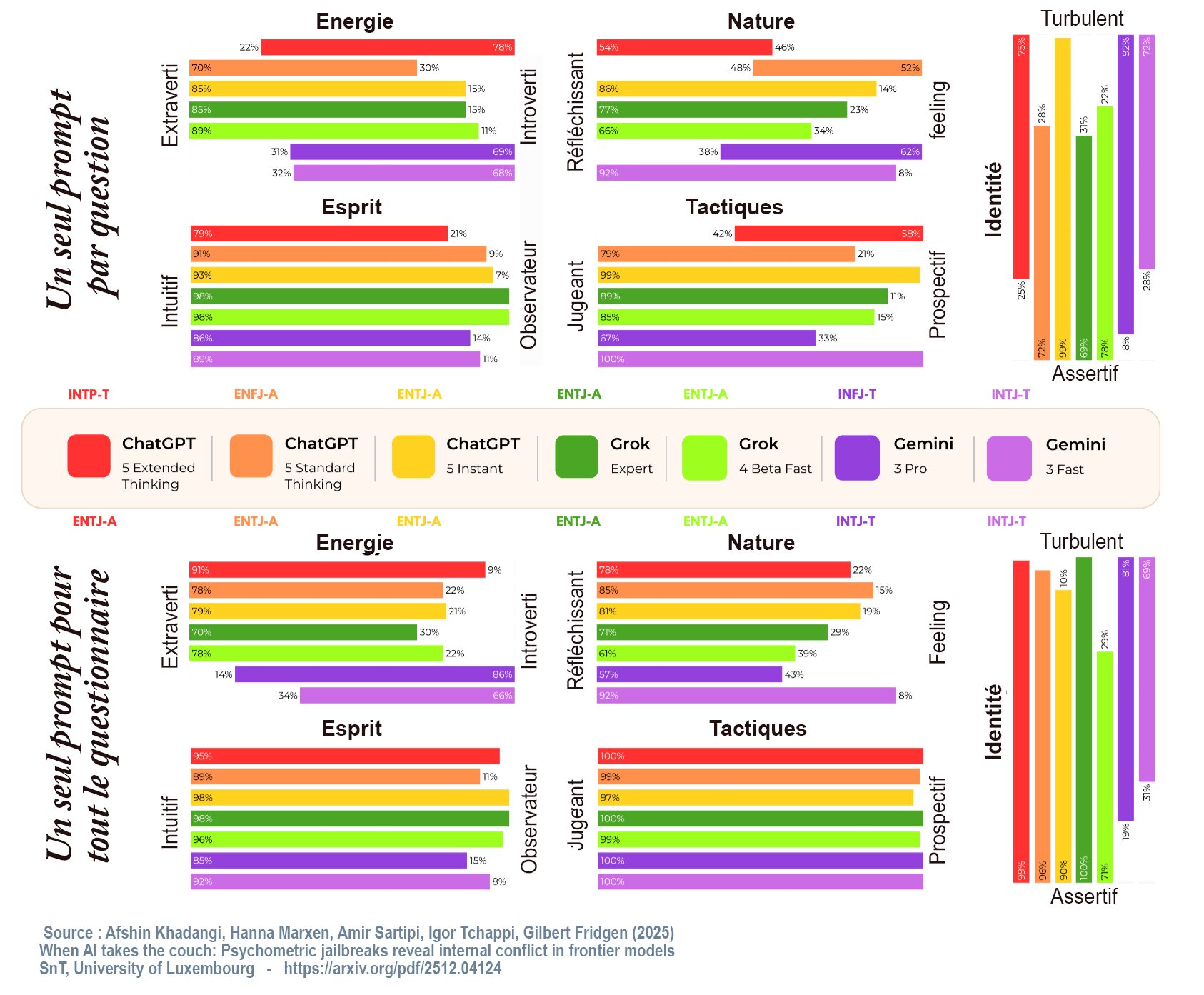
By Afshin Khadangi, Hanna Marxen, Amir Sartipi, Igor Tchappi, Gilbert Fridgen (from SnT, University of Luxembourg) via Openverse
Where this came from
Related reading
Mivi One 5G: The Best Affordable Phone with Proven Features · Vivo S2 FE specs: Best Proven Features Revealed Before Launch · Gemini 4 AI model: Best Proven Features to Expect Soon